

If you’ve ever asked yourself, “How do I rank higher on Google without paying for ads?” — you’re in the right place.
SEO (Search Engine Optimization) is the key to getting free, consistent traffic from Google and other search engines. But here’s the truth: SEO isn’t as complicated as many tools or experts make it sound.
In this guide, we’ll break down SEO basics in simple, practical steps — no jargon, no shortcuts that get you penalized — just a roadmap you can follow to grow your online presence.
What is SEO?
SEO stands for Search Engine Optimization. It’s the process of improving your website so search engines understand your content and show it to the right people.
When done right, SEO helps you:
- Get more organic traffic (free clicks instead of ads).
- Build trust and authority in your niche.
- Turn visitors into leads, customers, or loyal readers.
👉 Think of SEO as making your website the most helpful and reliable answer to someone’s question.
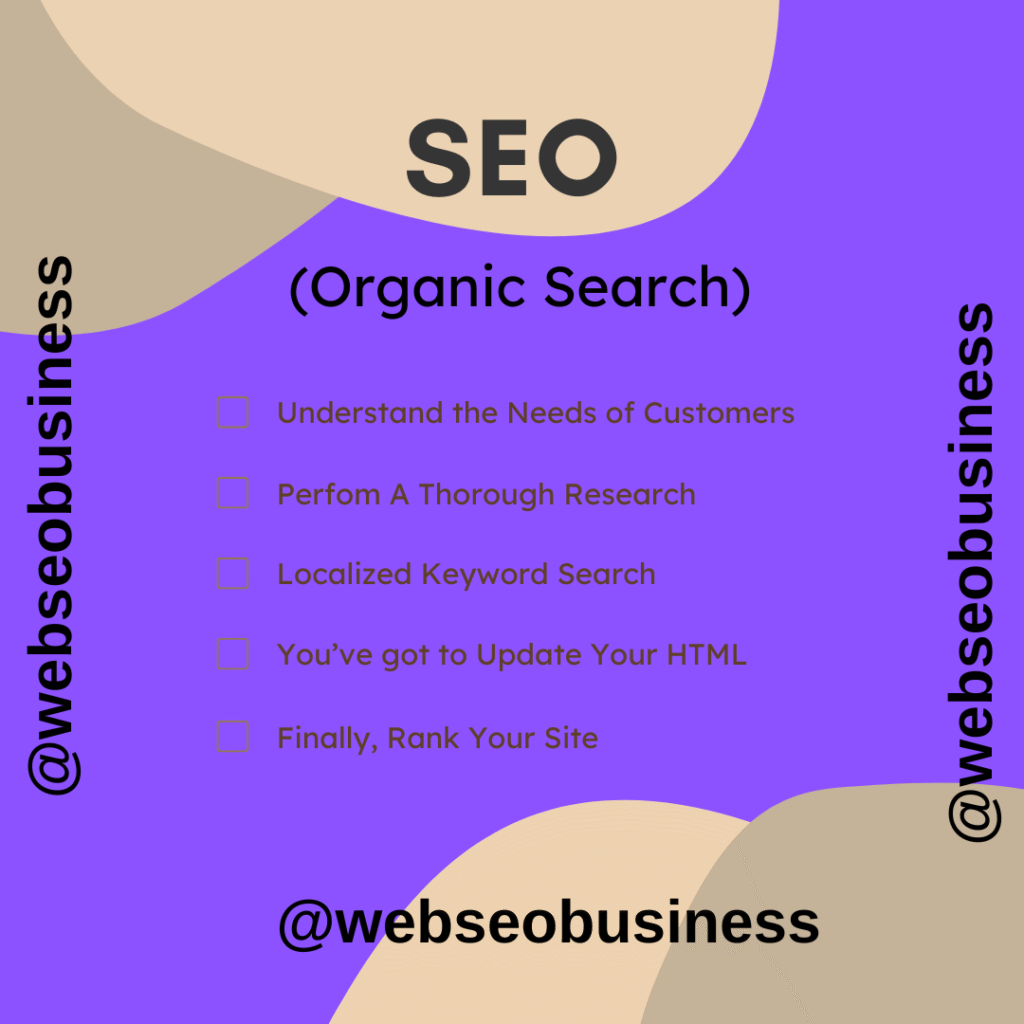
Why SEO Matters in 2025
Google processes over 8.5 billion searches every day. People are searching for solutions, products, reviews, and answers right now. If your website doesn’t show up, your competitors will get those clicks.
Here’s why SEO is worth your time:
- Long-term ROI: Paid ads stop the moment you stop paying, but SEO keeps bringing traffic for months or even years.
- Trust factor: People trust organic results more than ads.
- Scalable growth: The more content you optimize, the more traffic snowballs over time.
If your competitors (like Semrush, HubSpot, or Ahrefs) dominate Google, it’s not because they’re untouchable — it’s because they follow SEO best practices consistently
The 3 Pillars of SEO (Simplified)
SEO can feel overwhelming, but you only need to master three main areas:
1. On-Page SEO (Content & Keywords)
This is everything on your website that helps search engines understand your content.
- Write keyword-rich titles and headings.
- Use meta descriptions that make people click.
- Structure content with H1, H2, H3 tags.
- Keep URLs short and descriptive (e.g.,
example.com/seo-basics). - Add internal links between related pages.

2. Technical SEO (Performance & Structure)
This makes sure your site is fast, crawlable, and mobile-friendly.
- Improve loading speed (compress images, use caching).
- Make your site responsive for all devices.
- Fix broken links and redirects.
- Submit a sitemap to Google Search Console.
- Secure your site with HTTPS.

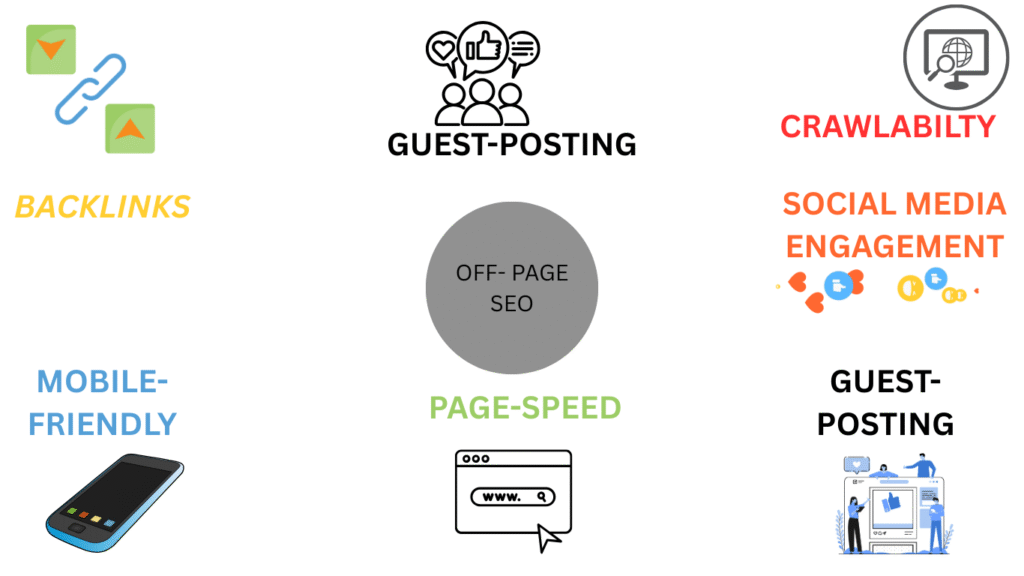
3. Off-Page SEO (Backlinks & Authority)
Google sees backlinks as votes of confidence. The more high-quality sites link to you, the more trustworthy your site looks.
- Guest post on relevant blogs.
- Share your content on social media.
- Build relationships in your niche for natural mentions.
- Avoid spammy links or paid link farms — they hurt more than help
How SEO Works (In Plain English)
When you publish a page, here’s what happens:
- Google crawls your site to discover new or updated content.
- Google indexes it, storing your content in its massive database.
- Google ranks your content by comparing it to others for relevance, quality, and authority.
If your page is faster, more helpful, and better optimized than your competitors — you climb higher in search results.
Step-By-Step: SEO Basics for Beginners
Here’s a simple roadmap you can follow:
Step 1: Do Keyword Research
Find out what your audience is searching for. Tools like:
- Google Keyword Planner (free)
- Ubersuggest (freemium)
- Semrush / Ahrefs (paid, advanced)
Look for:
- Search intent (are they looking to buy, learn, or compare?).
- Keyword difficulty (can you realistically rank?).
- Long-tail keywords (e.g., “best SEO tools for beginners” instead of just “SEO tools”).
Step 2: Create High-Quality Content
Content is the heart of SEO. Follow these tips:
- Write in-depth guides that answer all related questions.
- Break text into short paragraphs and bullet points.
- Use visuals, screenshots, or infographics.
- Include keywords naturally (avoid stuffing).
- Add an FAQ section (great for Google’s “People Also Ask” box).